
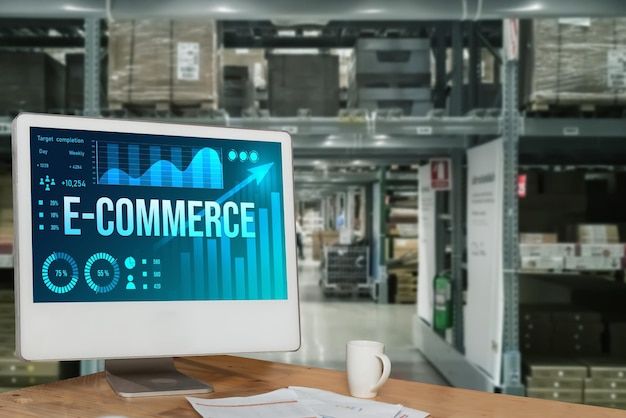
Running an online store usually means using a bunch of tools that don't talk to each other. One app tracks orders. Another handles inventory. A third deals with customer messages. It's a mess to manage, and mistakes creep in fast. Centralized ecommerce software puts all of that in one place. That one change can speed up growth more than people expect.
Why Centralization Makes a Difference
The real value here is simple. Everything connects. You save time, you make fewer mistakes, and you can actually see what's going on in your store without digging around.
One Place for Everything
When orders, inventory, and customer info all live in the same system, you don't have to jump between five tabs just to check one order. It's all right there. That means less time hunting for information and more time running the business.
It also cuts down on errors. When your data is spread across different tools, things get missed or entered twice. A centralized system keeps everything matching up, so what you see in one spot is what you'd see everywhere else too.
Faster Decisions
Store owners need to make quick calls all the time. Stock levels. Pricing. Promotions. When your tools are scattered, pulling together the full picture takes forever, and by the time you have it, the moment might already be gone.
With centralized software, it's all right in front of you. You can check sales, stock, and customer activity without switching systems. That speed matters most during busy sales periods, when you need to act fast, not dig through five different dashboards.
Better Control Over Stock
Running out of a bestseller hurts. So does ordering way too much of something nobody wants. Centralized systems track your inventory in real time, across every channel you sell on, so your numbers stay accurate no matter where a sale happens.
This matters even more if you sell on several platforms. Without a centralized system, keeping stock numbers consistent everywhere becomes a constant manual chore, and the more channels you add, the easier it is for mistakes to slip through.
A Smoother Experience for Customers
Customers want fast, correct answers when they ask about an order or a return. When your support team can see order history, shipping status, and account details all on one screen, they answer faster and get it right more often.
That builds trust too. A customer who gets a quick, correct answer usually comes back. One who gets passed around or given the wrong info usually doesn't.
Growing Without the Growing Pains
A small store can get by with a few separate tools for a while. But once orders start piling up, that patchwork setup starts falling apart. Things that worked fine at a small scale get slow and messy once the business grows.
Centralized software is built to handle that growth without forcing you to rebuild your whole setup every time you expand. New products, new sales channels, more orders. It all fits into the same system instead of pushing you to switch tools every few months.
Clearer Numbers, Clearer Decisions
Good decisions need good data. Pulling reports from five different tools almost never gives you the full picture. Centralized software brings your sales, inventory, and customer data together, so your reports actually reflect what's happening across the whole business, not just one slice of it.
That kind of clarity helps you catch things early. Maybe a product is about to sell out. Maybe one sales channel is quietly slipping. Either way, you notice it sooner.
Saving Money Over Time
Paying for a handful of separate tools adds up fast, and a lot of them end up doing the same thing anyway. Centralized software often replaces several subscriptions with one system. It might cost more upfront, but it usually saves money in the long run.
There's a hidden cost too, and that's time. Staff spend less time manually syncing data or fixing mismatched numbers, and more time on work that actually helps the business grow.
Signs It's Time to Switch
A few signs point straight to this. If your staff spend more time managing tools than helping customers, that's a red flag. So is inventory that never quite matches up across your different platforms.
Growing order numbers are another clue. What worked fine with a few tools at low volume often falls apart once the store scales up, and that's usually when avoidable mistakes start piling up.
Final Thoughts
Ecommerce automation software helps a store grow by getting rid of the friction that comes from juggling too many disconnected tools. It saves time, cuts down on mistakes, and gives you a clearer view of what's actually happening in your business. At MySellingHub, we help store owners bring their tools together so growth feels manageable, not overwhelming, no matter how many products or platforms they're running.